Tenant screening is the single most important thing you’ll do as a landlord. A great tenant pays on time, respects the property, and renews their lease. A bad tenant can cost you $5,000–$15,000 in lost rent, legal fees, and repairs. This is the exact 8-step process we use at The Mindful Landlord — and why each step matters.
Step 1: Set Clear Rental Criteria Up Front
Before you list your property, define your minimum requirements in writing. Standard criteria include:
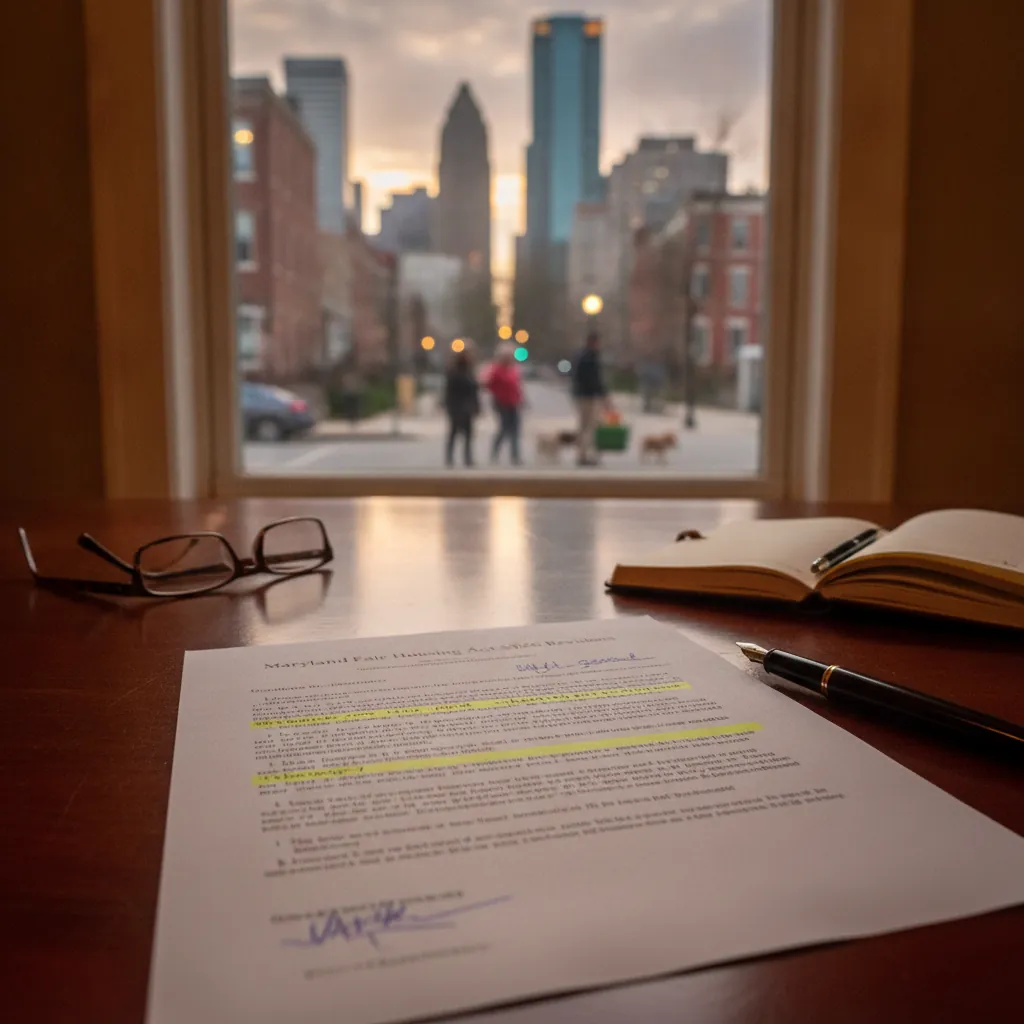
⚖ Maryland Fair Housing Law: You must apply the same criteria to every applicant. Never screen based on race, color, religion, sex, national origin, disability, familial status, marital status, or source of income.
Step 2: Use a Written Application
Your application should collect full legal name, date of birth, SSN, current and previous addresses (3 years), employment history, income documentation, and landlord references. A $35–$50 application fee is standard.
Step 3: Run a Full Credit Check
Use a reputable screening service (TransUnion SmartMove, RentPrep, or similar). Look beyond the score — collections from landlords or utilities, patterns of late payments, and high debt-to-income ratios are red flags.
Step 4: Verify Income Thoroughly
Don’t rely on a single pay stub. Ask for the last 2 months of bank statements. For self-employed applicants, require the last 2 years of tax returns. Call the employer directly to verify — fraudulent pay stubs are more common than you’d think.
Step 5: Check Rental History with Previous Landlords
Call previous landlords — not just the current one. Ask: Did they pay on time? Did they leave the unit in good condition? Would you rent to them again?
Step 6: Run an Eviction History Search
Maryland eviction records are public. Search the Maryland Judiciary Case Search at casesearch.courts.state.md.us. Even a dismissed eviction case is worth a direct conversation with the applicant.
Step 7: Conduct a Criminal Background Check
Follow HUD’s individualized assessment guidance. You cannot have a blanket policy rejecting all applicants with criminal records — consider the nature of the offense, how long ago it occurred, and evidence of rehabilitation. Document your reasoning for every denial.
Step 8: Make Your Decision and Document Everything
Approve or deny based solely on your documented criteria. If you deny an applicant, Maryland requires an Adverse Action Notice stating the reason for denial within a reasonable time.
Get your free rental analysis today. Call (443) 378-9456 or contact us online for a same-day response.